I’ve spent more than 17 years working with organizations across Canada to help them develop leaders, strengthen teams, and build healthier workplace cultures.
And there’s a conversation I have over and over again.

An HR director or a senior leader reaches out because something isn’t working. Teams are in conflict. Leaders are avoiding tough conversations. People are leaving. Or worse, they’re staying but checking out. Morale is low. Trust is thin. Results are suffering.
They know they need to do something. But when it comes time to invest in leadership development, team training, or respectful workplace programs, the question always comes up: “What’s the return on this?”
It’s a fair question. And the answer, backed by extensive Canadian and international research, is clear: the return is significant, and the cost of doing nothing is enormous.
We recently commissioned a research report — The ROI of Cohesion — that synthesizes data from sources including the Conference Board of Canada, the Auditor General, the Mental Health Commission of Canada, and validated frameworks like Everything DiSC® and The Five Behaviors of a Cohesive Team®.
The findings reinforce what I see on the ground every day: investing in people isn’t a soft expense, it’s a strategic one.
Here’s what stood out to me and what I think every leader, HR professional, and decision-maker should understand.
Workplace Dysfunction is a Silent Tax on Your Organization
Most organizations don’t track the cost of workplace dysfunction. They track turnover numbers. They track sick leave. They might track complaints. But they rarely add it all up.
When you do, the numbers are staggering.
Workplace conflict alone costs Canadian businesses over $2 billion annually.
That’s not from dramatic blow-ups. It’s from the day-to-day friction: the complaining, the tension, the time people spend navigating difficult relationships instead of doing their actual work.
Research shows the average employee spends roughly two to three hours per week dealing with conflict. That’s more than 5% of their total capacity, gone.
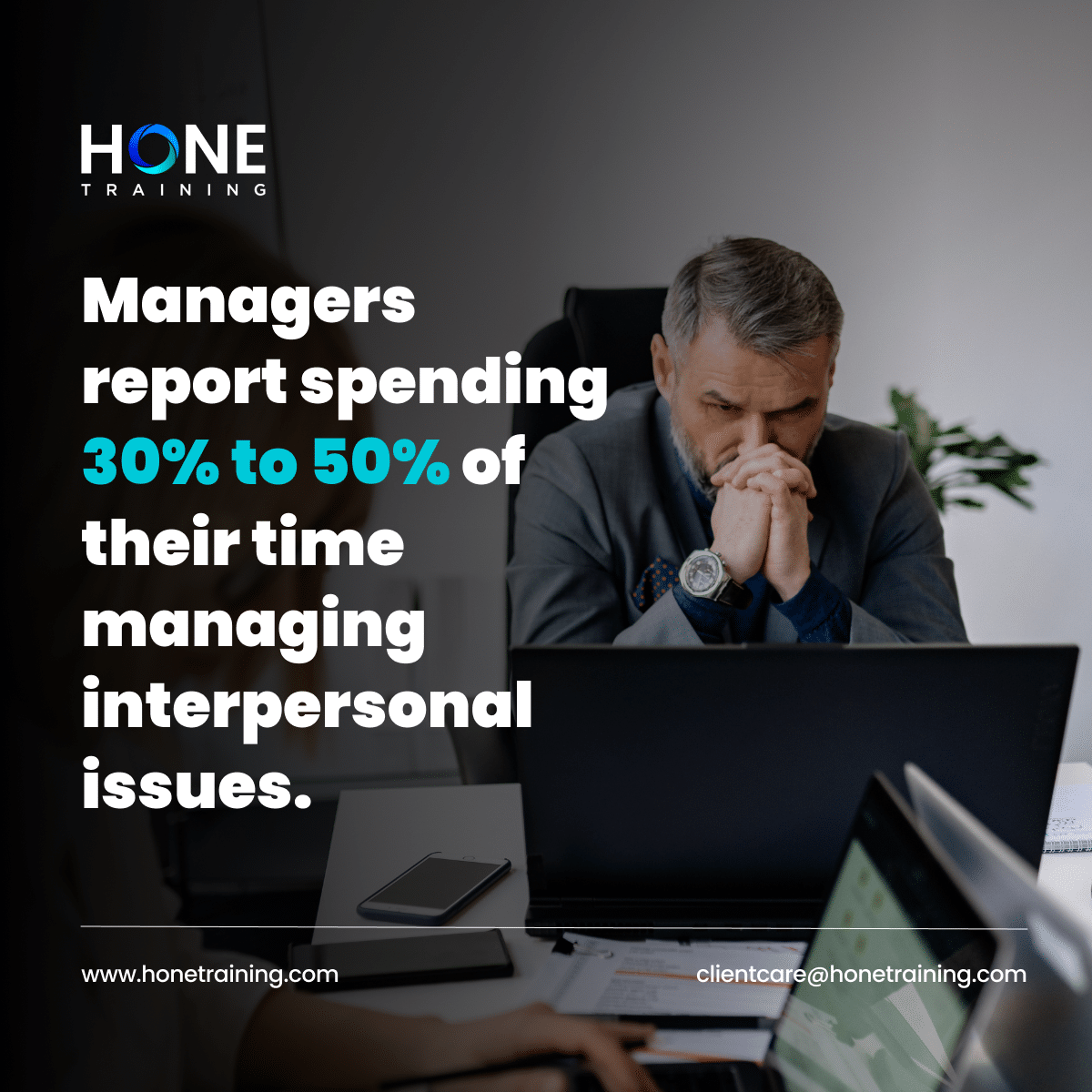
But here’s the number that always gets leaders’ attention: managers report spending 30% to 50% of their time managing interpersonal issues.
I see this constantly.
I often ask leaders, “How much of your time is going to managing drama on your team?” And the answer is almost always more than they’d like to admit. Some will say 25%. Some will say 40%. I’ve had leaders tell me it feels like half the week or more. That’s leadership capacity that isn’t going to strategy, coaching, innovation, or the work that actually moves the organization forward.
Then there’s turnover.
Replacing an employee costs between 30% and 150% of their annual salary. For specialized roles in healthcare or government, it can reach 400% when you factor in the loss of institutional knowledge, the ramp-up time for new hires, and reliance on expensive contractors or agency staff.
And here’s a telling finding from the research: employees are more than ten times more likely to leave because of a toxic culture than because of compensation.
Let that sink in. While it’s true that sometimes people may leave because of money, most people leave because of how it feels to come to work every day.
The Problem You Can’t See: Presenteeism
There’s another cost that’s even harder to measure, and in some ways more damaging: presenteeism.

That’s the word for people who show up but aren’t really there. They’re physically present but mentally somewhere else. They’re doing the minimum. They’re not contributing ideas. They’re not speaking up in meetings. They’re not going the extra mile, because they don’t feel safe enough or connected enough to bother.
The research puts the economic cost of presenteeism in Canada at $6.3 billion.
And it’s directly tied to what’s happening (or not happening) on teams. When people don’t feel psychologically safe, they withdraw. They stop bringing their best thinking. They hold back concerns that could prevent problems. They nod along in meetings instead of saying what they actually think.
Patrick Lencioni calls this “artificial harmony.” I see it all the time. Everything looks fine on the surface. Meetings run smoothly, nobody’s fighting, but nothing real ever gets said. That kind of workplace can be just as unhealthy as a loud, conflicted one. And in some ways, it’s harder to fix, because nothing looks wrong from the outside.
One of the most rigorous studies on team effectiveness ever conducted (Google’s Project Aristotle), found that psychological safety is the single most important factor in high-performing teams. Not individual talent, not seniority, not technical skill. It’s whether people feel safe to be honest and vulnerable with each other. Teams with high psychological safety are 19% more productive, show 27% lower turnover, and are 3.6 times more engaged.
What the Research Says about Investing in Training
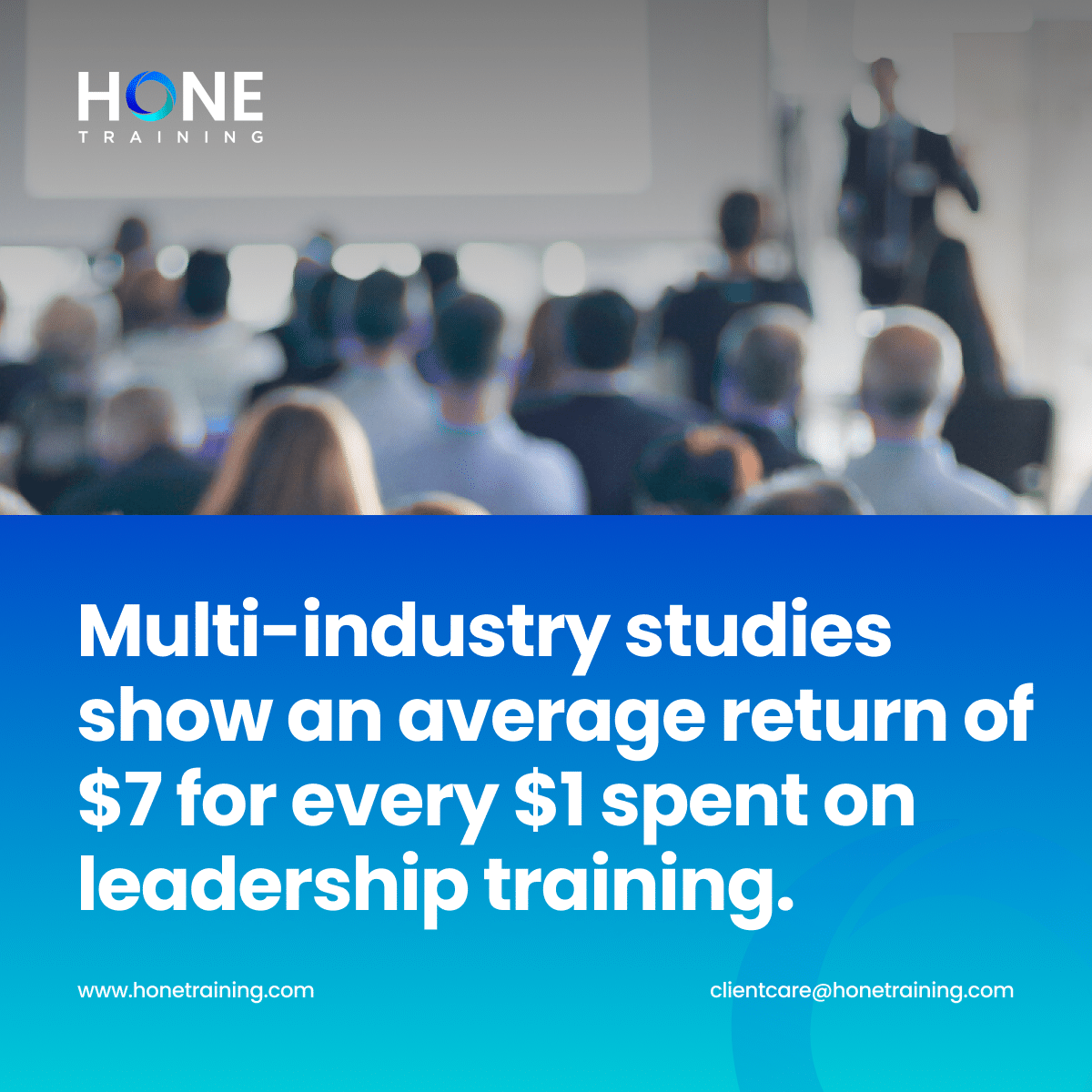
The data on leadership development is compelling. Multi-industry studies show an average return of $7 for every $1 spent on leadership training. That return shows up in improved managerial effectiveness, higher engagement, better retention, and stronger results.
For team development specifically, the research highlights something I’ve always believed: training intact teams together yields a much higher impact than training individuals in isolation. Culture is collective. You can’t send one person to a workshop and expect the whole team to change. Things shift when you bring a team together and give them a shared language, shared commitments, and shared tools.
The Five Behaviors of a Cohesive Team® program is a good example. In one documented case, a healthcare team went from record-low engagement scores to the high 80s and 90s within six months. They went from struggling to fill positions to having a waiting list of applicants. The ROI wasn’t just emotional, it was operational: reduced recruitment costs, better quality outcomes, and a team that could actually function at a high level.
DiSC assessments, which I use extensively, show similar returns. One study found a 150% ROI through reduced turnover alone. Another showed turnover dropping to 4%, well below industry averages. DiSC helps people move from judgment to understanding. Instead of thinking a colleague is “difficult,” they start to recognize a different communication style. That shift alone can transform how a team works together.
And respectful workplace training? The research shows that 95% of employees who receive conflict management training feel better equipped to navigate disputes. If a $50,000 training program prevents even one formal harassment investigation (which can cost $100,000 or more in legal fees, damages, and lost time) the ROI is immediate.
The Real Question: What is it costing not to invest in people?
When organizations ask me about the ROI of this work, I understand the question. Budgets are tight. Time is limited. Leaders want to know their investment will pay off.

But I’d encourage a different framing. Instead of asking, “What will it cost to invest in our people?”, ask: “What is it costing us not to?”
Add up the leadership time spent managing conflict. The turnover you can’t quite explain. The engagement scores that make you wince. The complaints HR is fielding. The good people who are leaving. The ones who’ve stayed but stopped contributing.
That’s the cost of inaction. And the research is clear: it’s far greater than the cost of prevention.
A relatively modest investment in team cohesion, leadership development, and respectful workplace training can prevent problems that cost organizations hundreds of thousands, even millions, of dollars.
Not in abstract, theoretical terms, but in measurable outcomes: lower turnover, fewer grievances, reduced absenteeism, stronger performance, and a culture where people can actually do their best work.
This isn’t about “soft skills,” it’s about organizational health. And organizational health is a business strategy.
Find Out Where You Stand

If you’re wondering where your organization sits, our Better Leaders, Stronger Teams, Healthier Workplaces assessment is a good place to start. It’s free, takes a few minutes, and gives you a clear picture of where you’re strong and where focused development could make the biggest difference.
You can download the full ROI of Cohesion research report here.
And if you’d like to talk through what these findings mean for your organization, I’d welcome the conversation.
Leadership and culture challenges don’t fix themselves. But with the right investment, they become your greatest competitive advantage.
Randy Kennett is the founder of Hone Training, where he works with organizations across Canada to develop better leaders, stronger teams, and healthier workplaces through practical, evidence-based training and facilitation. For more than 17 years, he has partnered with government agencies, universities, nonprofits, and private-sector companies to create lasting organizational change.
Related Posts:
Better Leaders, Stronger Teams, Healthier Workplaces
What Does a Healthy Workplace Actually Look Like?
How to Strengthen Your Ability to Team
Want the numbers behind team cohesion? Download our free ROI of Cohesion research report.